
Sandpiper
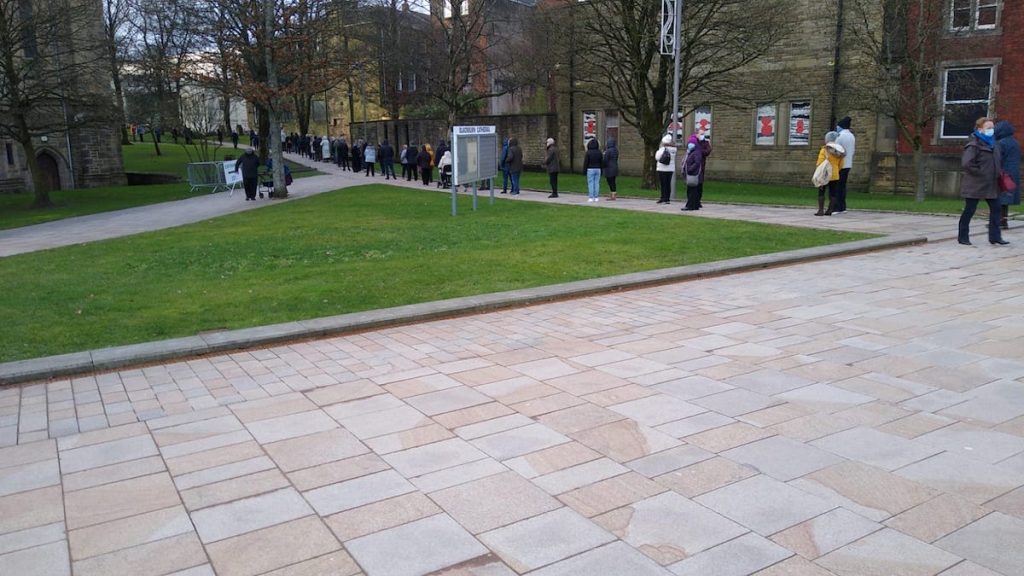
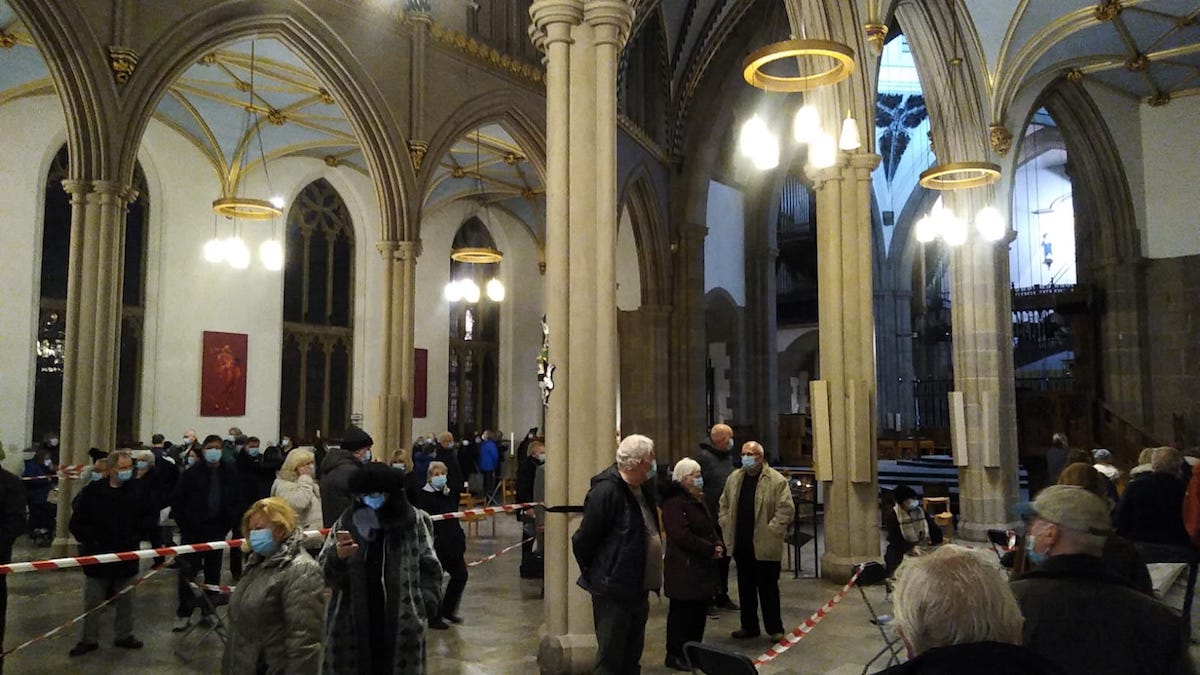
31 Jan 2021 Blackburn Cathedral
Electronics & Arduino
4 Dec 2023
Need to 240v power return heat from accum relay from Barn relay
Accumulator pump control Jan 2023
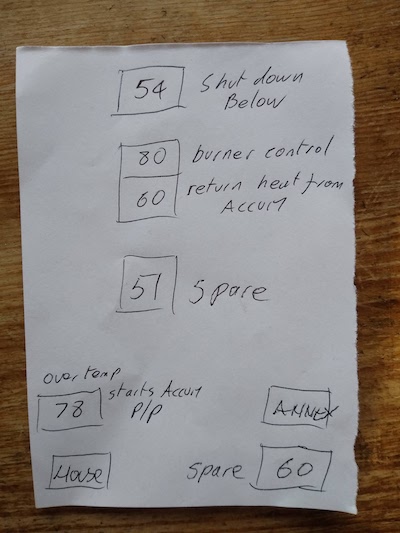
Degrees = Alt-Shift-8 °
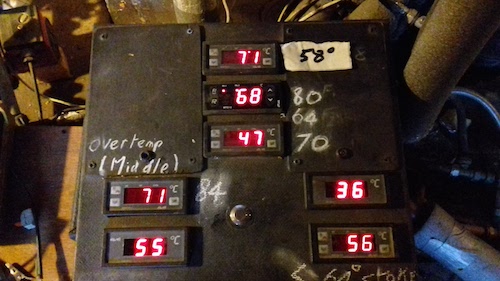
LH Accum pump controlled by lower middle cylinder thermostat when less than 60° returns heat from accumulator. Pumps into bottom of accumulator
RH Accum pump runs when over temp alarm shows (more than 78°) ie when too hot leds lit, it pumps towards the right, ie from accum bottom to boiler bottom
 //copied off off Boiler_10Dec_2021

 int myPin = A2; // INPUT Analogue Sensor
  int stoke = 2; // INPUT Stoking Temp Sensor (below 64° middle of tank)
   int accum = 3; // OUTPUT accumulator Relay
    int runPin = 4; // INPUT Heat Available Temp Sensor (Top of store above 56°)
     int annex = 5; // INPUT Annex Pump
      int house = 6; // INPUT House Pump
       int housePump = 7; // OUTPUT housePump Relay
        int clok = 8; // INPUT from Clock
         int tooHot = 9; // INPUT  Boiler too hot (over Temp stat over 84° middle of tank)
          int hotAlarm = 10; // OUTPUT too hot alarm in porch
           int ledPin = 13; // OUTPUT Indicator LED
      int dt = 500; // Delay of 500secs

void setup() {
  Serial.begin(9600);

pinMode(myPin,INPUT);         //  pin A2
 pinMode(stoke,INPUT);         // stat acts 74°    pin 2
  pinMode(runPin, INPUT);       // stat acts at 56°    pin 4
   pinMode(annex,INPUT);         //    pin 5
    pinMode(house,INPUT);         //    pin 6
     pinMode(housePump, OUTPUT);   // Blue Relay Wire housePump  pin 7
      pinMode(clok,INPUT);          //   clock input   high = on   pin8
       pinMode(tooHot, INPUT);     // stat acts at 84°   pin 9
        pinMode(hotAlarm, OUTPUT);      // Green Relay Wire  pin 10
         pinMode(ledPin, OUTPUT);      // Indicator LED     pin13
          pinMode(accum, OUTPUT);       // Accumulator Relay Wire  pin 3
}
void loop() {

int analog = analogRead(myPin);     // Reads data from myPin (A2) pin and puts in analog Int
int readRun = digitalRead(runPin);  // Reads data from runPin (4) and puts it in readRun Int
int readStoke = digitalRead(stoke); // Reads data from stoke (2) and puts in readStoke Int
int readHouse = digitalRead(housePump); // Reads data from house (6) and puts in readHouse Int
int readClock = digitalRead(clok); // Reads data from clok (8) and puts in readClock Int
int readHot = digitalRead(tooHot); // Reads data from hotAlarm (9) and puts it in readHot Int

  Serial.println("System Running ( pin4 high)...........................");
  Serial.println("Boiler_24_Feb_      with Accum pump Relay ");

  Serial.print("Run  = ");
Serial.println(readRun);

 Serial.print("Hot Alarm  = ");
Serial.println(readHot);

Serial.print("Alarm LED = ");
Serial.println(readHot);

Serial.print("clock  = ");
Serial.println(readClock);

Serial.print("housePump Relay = ");
Serial.println(readHouse);

if (readStoke == 0){
  Serial.println("Boiler Requires Stoking");
  Serial.println(     );
  delay(dt);
  digitalWrite(ledPin,HIGH);            // short flash led PIN 13 when boiler needs stoking
    delay(dt/16);
  digitalWrite(ledPin,LOW);
  delay(dt*12);
}
else{
  digitalWrite(ledPin,LOW);     //     stops flash
  Serial.println(     );
  delay(dt*2);
}
if (readHot == 1){
  Serial.println("Boiler too Hot");
  digitalWrite(hotAlarm,LOW);       // Red Alarm LED on pin 10, also shows in porch
  }
else{
  digitalWrite(hotAlarm,HIGH);      // Turns Alarm LED off
  }
if (readHot == 1){
 digitalWrite(accum,LOW);       // accumulator Pump on
  }
else{
  digitalWrite(accum,HIGH);      // accumulator Pump off
  }
  //housePump
  if (readClock == 1){
 digitalWrite(housePump,LOW);       // housePump Pump relay 7 on
  }
else{
  digitalWrite(housePump,HIGH);      // housePump Pump relay 7 off
  }

}
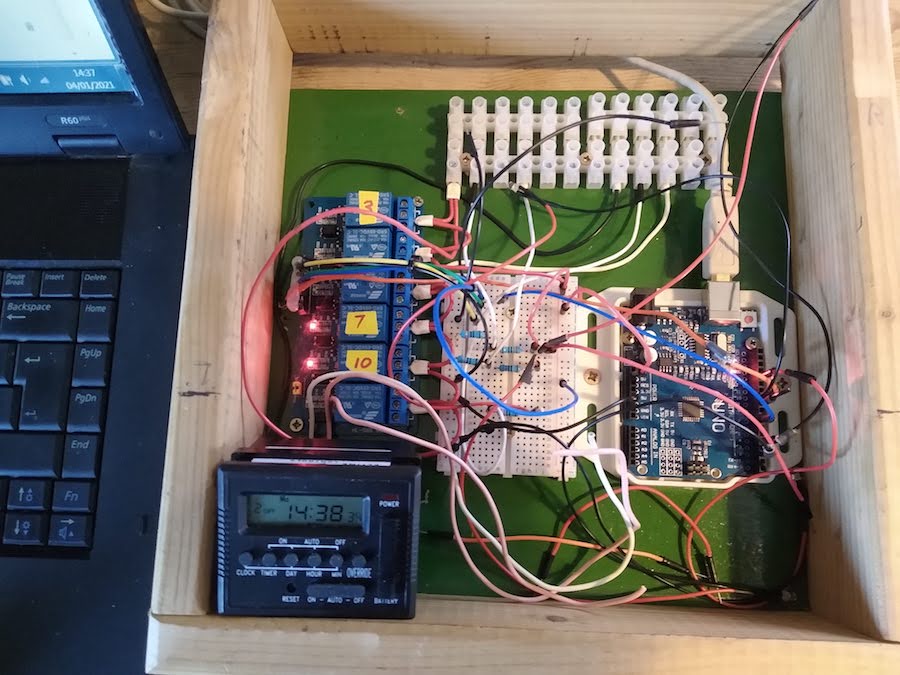
Latest arduino sketch Winter 2021
Boiler_10Dec_2021
// stoke flash time shortended, flash period extended,
int myPin = A2; // INPUT Analogue Sensor
int stoke = 2; // INPUT Stoking Temp Sensor (Bottom of store below 64deg)
int runPin = 4; // INPUT Heat Available Temp Sensor (Top of store above 58deg)
int annex = 5; // INPUT Annex Pump
int house = 6; // INPUT House Pump
int alarm = 7; // OUTPUT Alarm Light Relay
int clok = 8; // INTPUT from Clock
int veryHot = 9; // INPUT Boiler too hot (above 84°deg heat exchanger out to house)
int logStoreUFH = 10; // OUTPUT Log Store UFH Relay
int ledPin = 13; // OUTPUT Indicator LED
//int pin3 = 3 OUTPUT accumulator Relay
int dt = 500; // Delay of 500secsvoid setup() {
Serial.begin(9600);
pinMode(myPin,INPUT);          //  pin A2
 pinMode(stoke,INPUT);           // stat acts 70deg    pin 2
   pinMode(runPin, INPUT);         // stat acts at 60deg    pin 4
    pinMode(annex,INPUT);            //    pin 5
     pinMode(house,INPUT);             //    pin 6
      pinMode(alarm, OUTPUT);            // Blue Relay Wire   pin 7
        pinMode(veryHot, INPUT);        // stat acts at 81deg   pin 9
         pinMode(logStoreUFH, OUTPUT); // Green Relay Wire  pin 10
          pinMode(ledPin, OUTPUT);     // Indicator LED     pin13
                                     // Yellow Relay Wire  pin 3
}
void loop() {
int analog = analogRead(myPin); // Reads data from myPin (A2) pin and puts in analog Int
int readRun = digitalRead(runPin); // Reads data from runPin (4) and puts it in readRun Int
int readStoke = digitalRead(stoke); // Reads data from stoke (2) and puts in readStoke Int
int readAlarm = digitalRead(alarm); // Reads data from alarm (7) and puts in readAlarm Int
int readHot = digitalRead(veryHot); // Reads data from veryHot (9) and puts it in readHot Int
int readUFH = digitalRead(veryHot); // Reads data from veryHot (9) and puts it in readUFH Int
//if (readRun == 1){
Serial.println(“System On”);
//digitalWrite(houseUFH,HIGH); // Turns pin3off if readRun = 0
if (readStoke == 0){ //
Serial.println(“Boiler Requires Stoking”);
Serial.println( );
delay(dt);
digitalWrite(ledPin,HIGH); // short flash led PIN 13 when boiler needs stoking
delay(dt/12);
digitalWrite(ledPin,LOW);
delay(dt*12);
}
else{
digitalWrite(ledPin,LOW); // digitalWrite(alarm,HIGH);
}
if (readHot == 1){
Serial.println(“Log Store Pump Turned On”);
digitalWrite(logStoreUFH,LOW); // Turns Log Store Pump on pin 10
}
else{
digitalWrite(logStoreUFH,HIGH); // Turns Log Store Pump off
}
Serial.print(“Run = “);
Serial.println(readRun);
Serial.print(“Storing = “);
Serial.println(readHot);
}
last sketch on iMac RelieFapr08
Push button code for insertion into Logboilerjan2021
NicorAlarm working but cancel button no effect
- RoboJax Index – https://www.youtube.com/channel/UCkcBSig_Iu4ZnAIeCeG1TVg
- RoboJaxCode
- Robojax millis
- stepperMotor https://www.youtube.com/watch?v=Sl2mzXfTwCs
- 17 March 2021 – latest sketch
- Robo different off time https://www.youtube.com/watch?v=rUtDfadf8Jk
- Millis Tutorial explained in 3 steps
- Vigas1 sketch. : Sets up the pins and starts a serial print counter Dec 2020
- While Loop Tutorial
Working Versions of my boiler sketch; V2relayPrint; V2relayP2
Comparison Operators
!= (not equal to)
< (less than)
<= (less than or equal to)
== (equal to)
> (greater than)
>= (greater than or equal to)
Instructions for LAE MTC12 dual output stat currently switching set point of boiler( cylinder central at 65°)
current sketch in boiler room = Boiler_10Dec_2021
Building and Launch
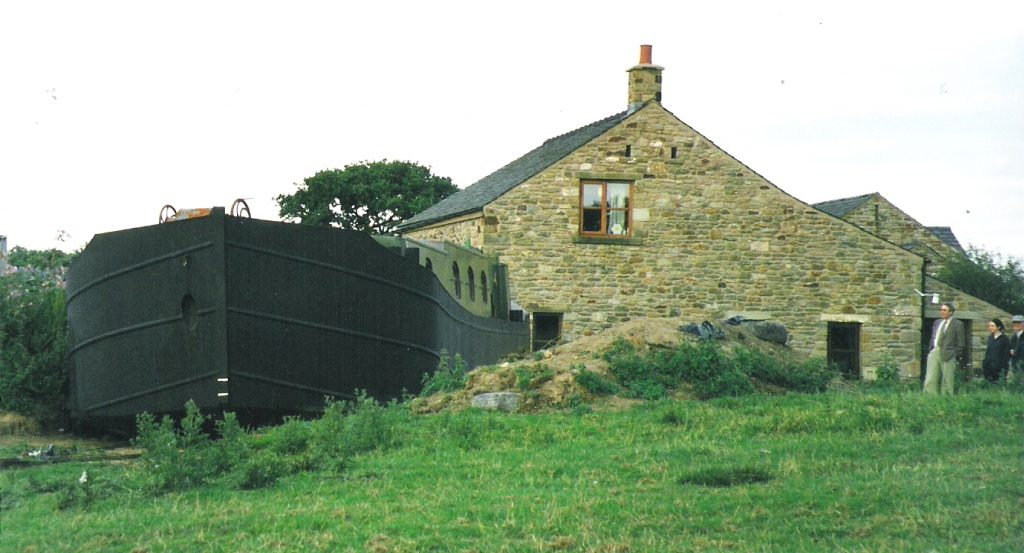
Togg 2009

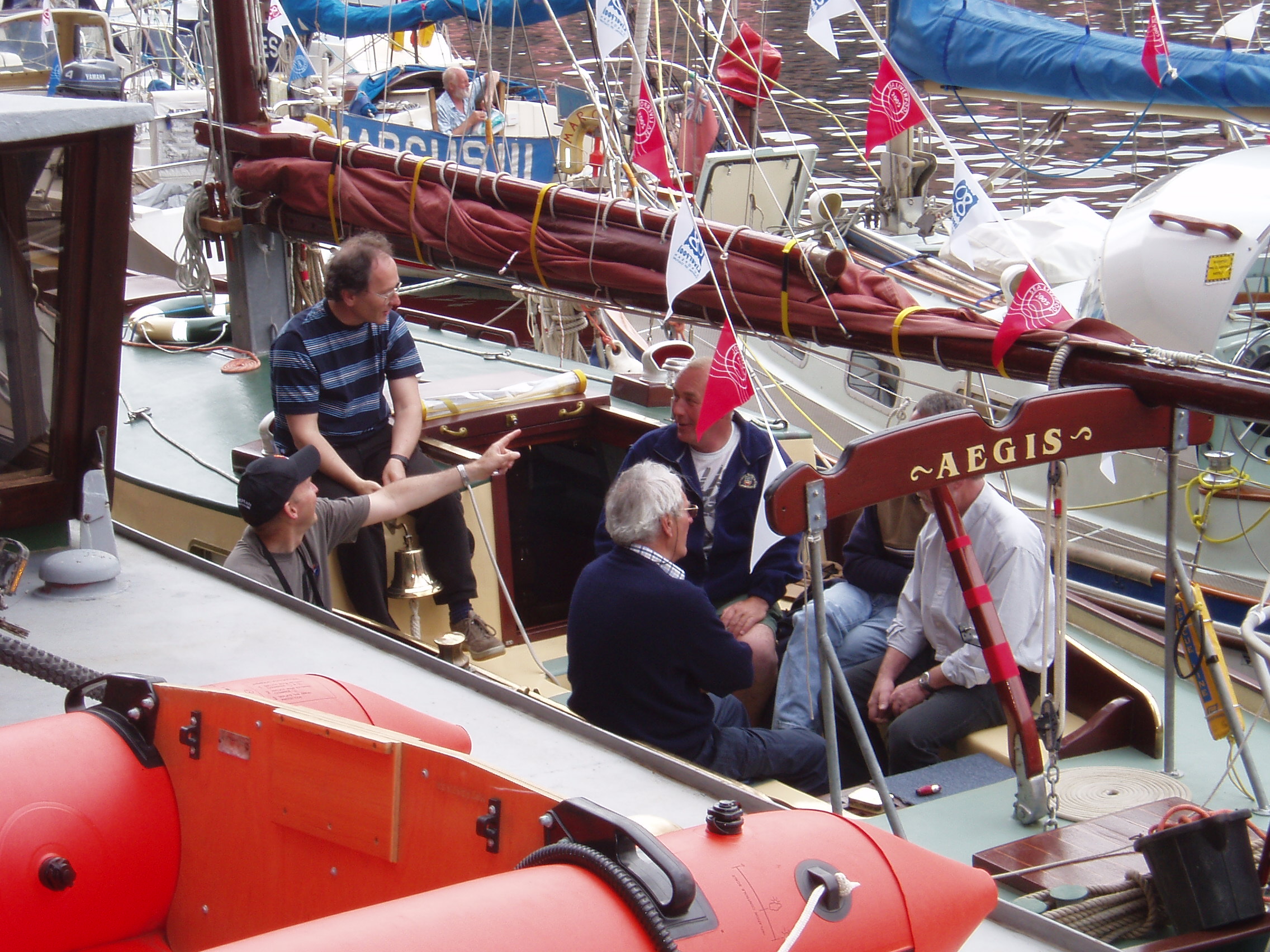
Up to Bristol 2016
In 2016 we only spent the one night in Portishead, because we were eager to get back up to the canal system which connects to the River Avon in the centre of Bath. Christine was with us, so she had to get the passage planning perfect. There were 3 available locking times to enter Bristol Floating Harbour, we didn’t want to be either early or late because there are no waiting pontoons in the river and we would have the same enormous tidal range to deal with in a confined space. Therefore we carefully planned to arrive just in time for the middle locking, leaving Portishead behind 3 narrowboats.
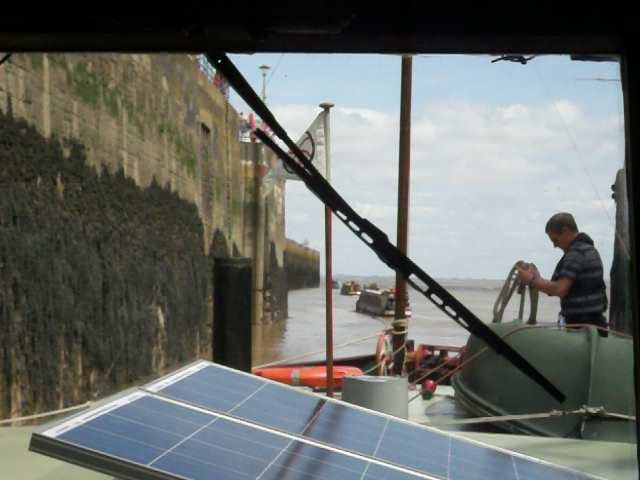
There is only a very short open sea passage between Portishead and Avonmouth, but it gave Chris some cause for concern when we started rolling to the swell and again when she thought we were going the wrong side of the Avonmouth pierhead and heading for the putty. There are no navigation marks in the Avon at all (it flows far too fast for them to hold) and the river simply enters the Severn Estuary down by the outside of the Avonmouth Harbour which takes most of the current shipping for the South West of England. The VTS office is built on this large breakwater.
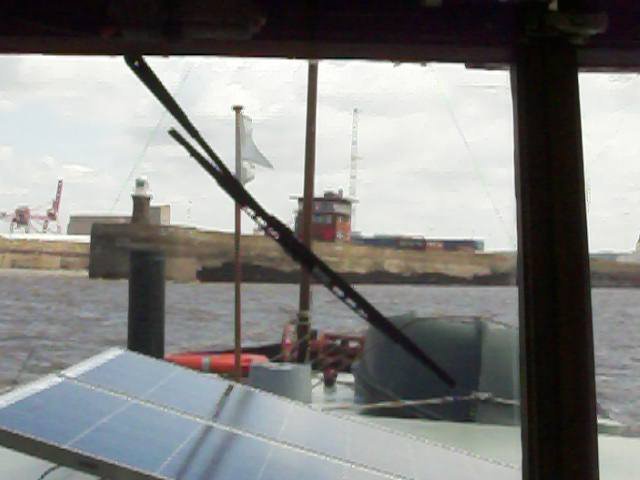
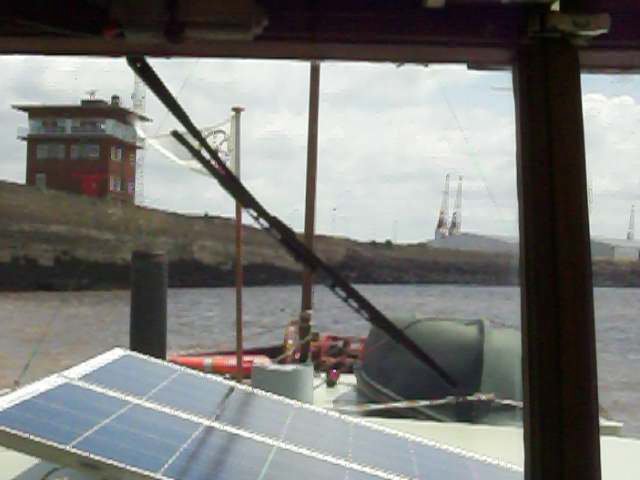
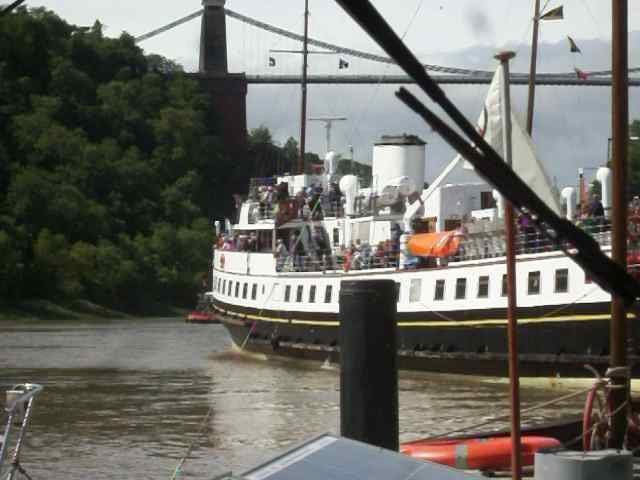
As soon as we entered the Avon a little tug came storming past us and then after 10 minutes it suddenly turned about and stopped. “Strange behaviour”, we thought, until we heard them speaking on the radio to the MV Balmoral – a famous old pleasure steamer that was viiting Bristol, they were there to escourt the ship up the river.
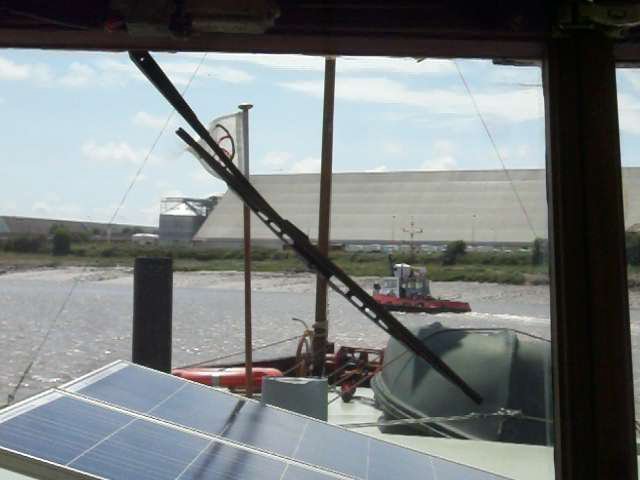
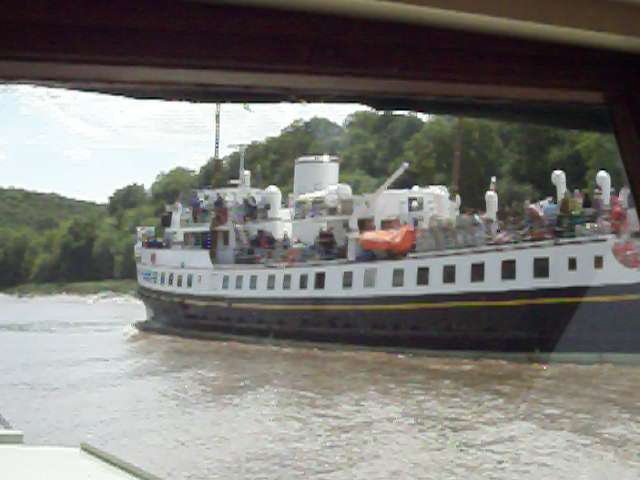
The Balmoral soon came into sight and we pulled over to let them past and when they had passed we increased speed to meet our deadline for the lock opening.
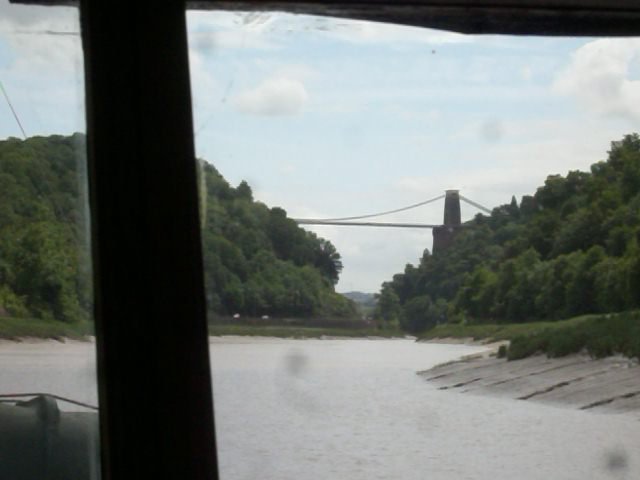
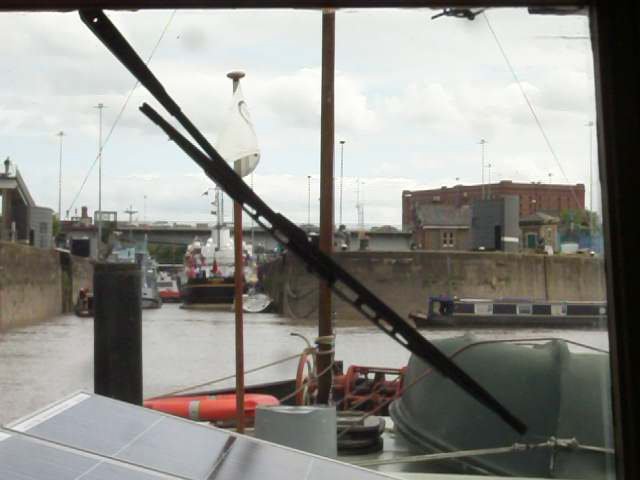
When we arrived at the lock entrance, this was the sight that met us – a completely full chamber of boats so we had to wait outside after all, and to add insult to injury, we were not allowed into the harbour while the Balmoral was turning, and it transpired they were not even staying for a day, so we ended up waiting for them to make their prestigious departure under Brunel’s bridge.
The lockkeepers were very appologetic for the hours of delays and helped us tie up to the end of their bullnose whilst the tide continued to flood in and the Balmoral completed its tour.
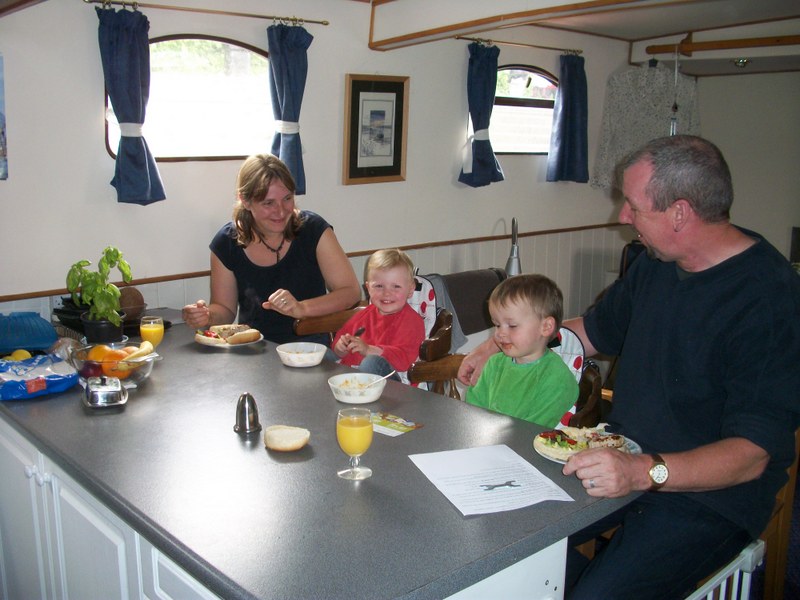
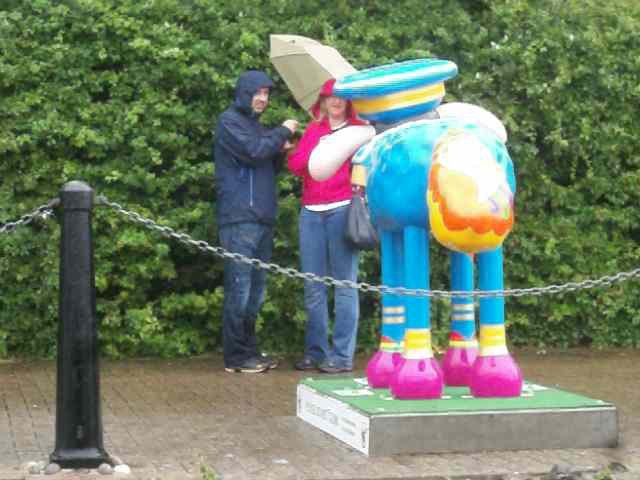
It was late in the day when we finally tied up at Baltic Wharf in the harbour and the rest of the family were very glad to get on board again to get their tea. We were blessed with this magnificent view out of the saloon window – “Shaun the Sheep”, in the two days we were there, it must have been photographed 1000s of times – some chartity event in the city.
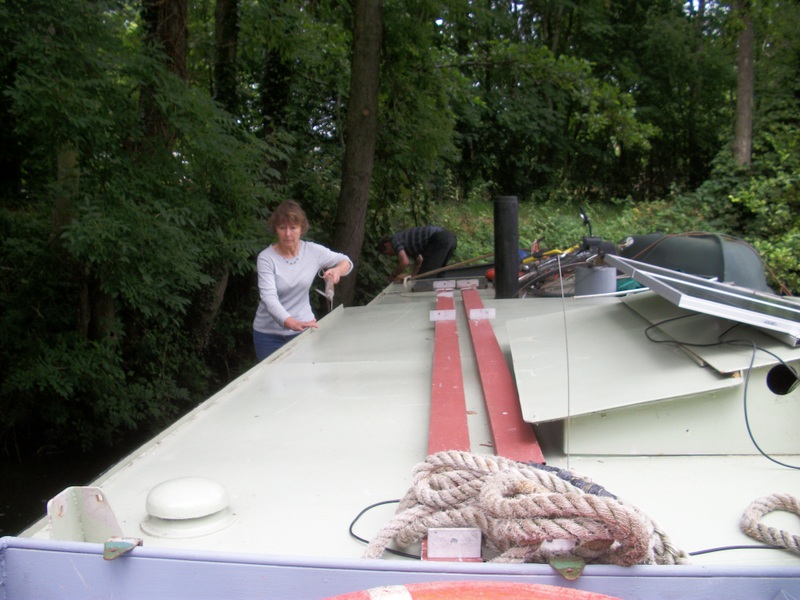
On our last transit E to W of the canal system in 2013 we had carried the parts of the wheelhouse with us, but this time we took it down and packed the windows, roof and doors in a road trailer to take back home.
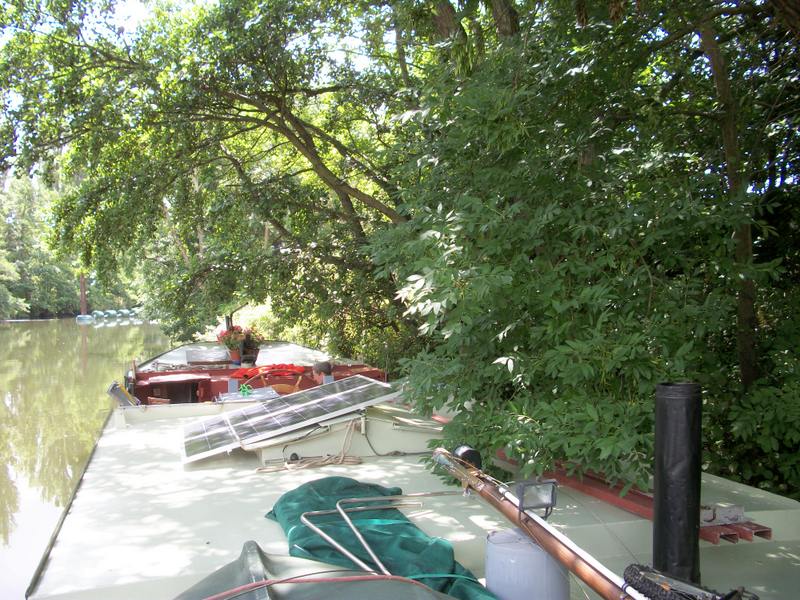
The next day we headed off out of the harbour and up the very empty River Avon. There had not been much rain so we made good progess against the gentle current. We found it quite easy to tie up to a tree for a lunch break
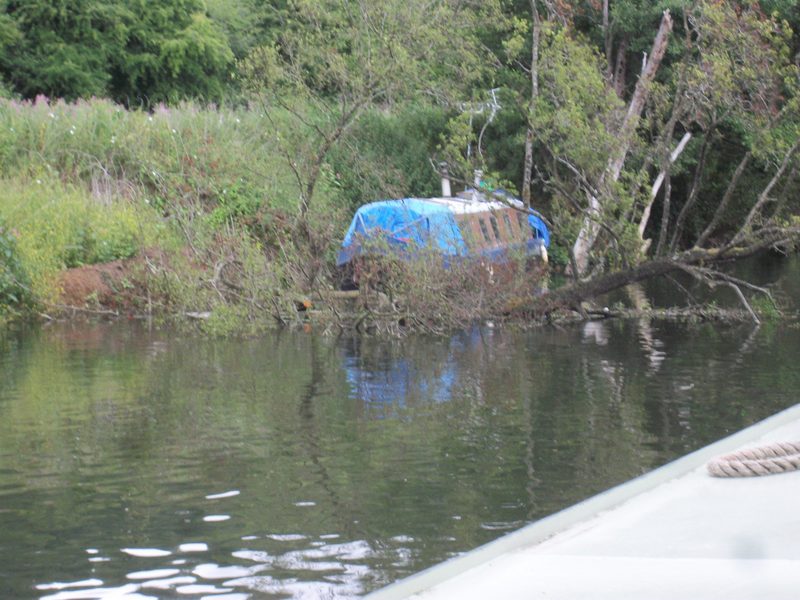
Despite the floods which regularly occur in these river valleys some brave souls still choose to moor their boats in strange places – perhaps they find somewhere else for the winter?
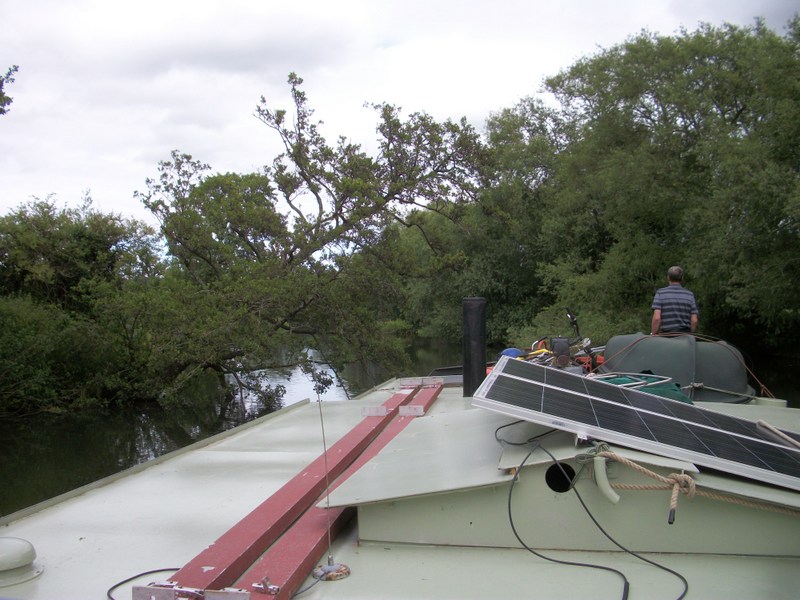
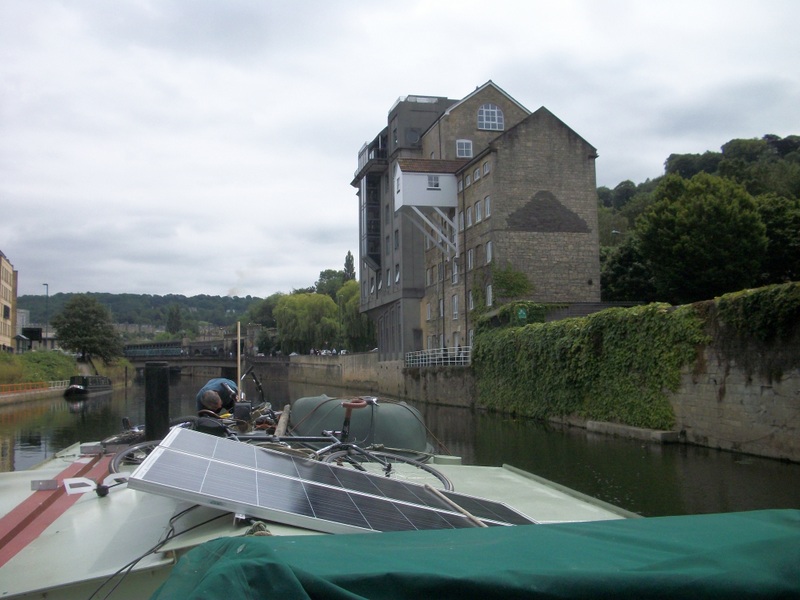
Two days later were below the weir in the centre of Bath, tied up under the railway arch for lunch before tackling the Bath flight of locks, one of which has the second highest rise in the UK. We left the barge in Bath and set off for home in the car with the trailer behind containing the dismantled wheelhouse sections. Then we had the family holiday in Beaumorris.
Straight after the stay in Beaumorris we met the Glasson sailing club cruisers in Conway on our way home.
When we returned to Bath we had to leave as soon as we could and we started along the narrow canal past the hundreds of moored boats on the most popular stretch of the Kennet and Avon up to Bradford-on Avon. The next night we spent on a good visitor mooring next to the “George Inn”
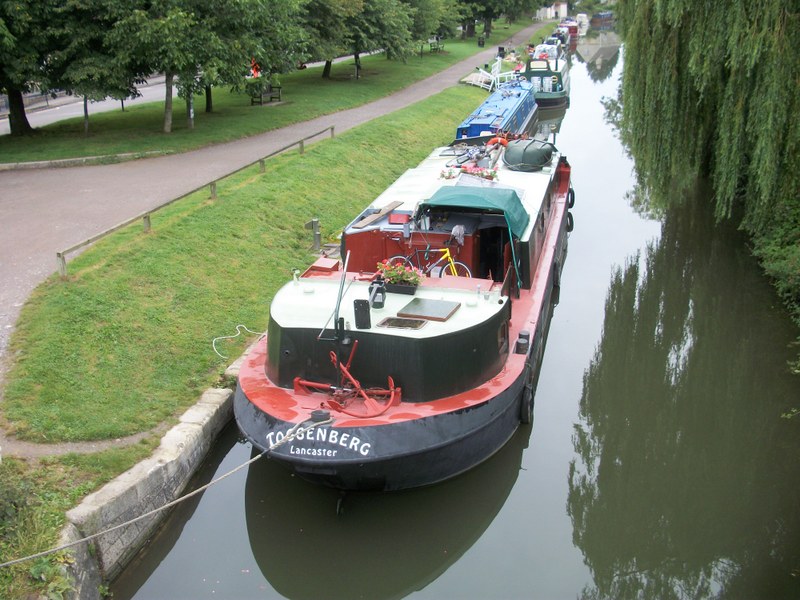
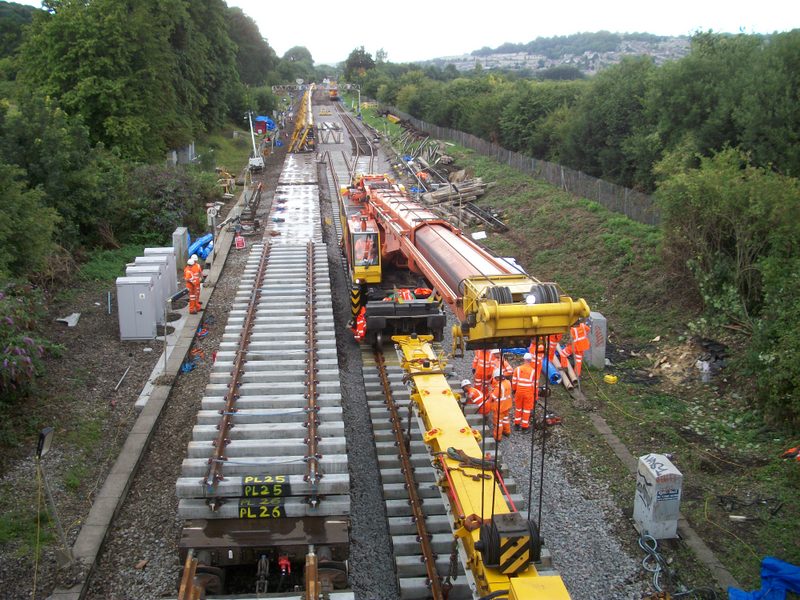
The road below the George Inn crosses the Great Western Railway and it was an ideal vantage point for us to observe some remarkable engineering works taking place. They were lowering the trackbed by up to 1m and completely renewing all the track in both directions ready for electrification. The work was all completed from specialised machinery running on first the old rails and then on the old. They were working round the clock in shifts, and had given themselves a month to complete the whole job.
Our next night’s mooring was in a fantastic position – in the enterance basin to the Dundas Aqueduct, plenty of boat movement to watch. Whilst it was going dark about 8pm a gentleman arrived in a car and asked had we seen a wooden boat going past? An hour of so a launch did appear and it sounded like someone came to it and started a generator and they were pulling a big tarpaulin over and under it. “Strange behaviour” we thought again, but you do need to be a bit alternative to own a wooden boat these days. Anyway, I got up early in the morning and the boat was on the bottom – sunk! A beautifully restored gentleman’s launch, I couldn’t believe it.
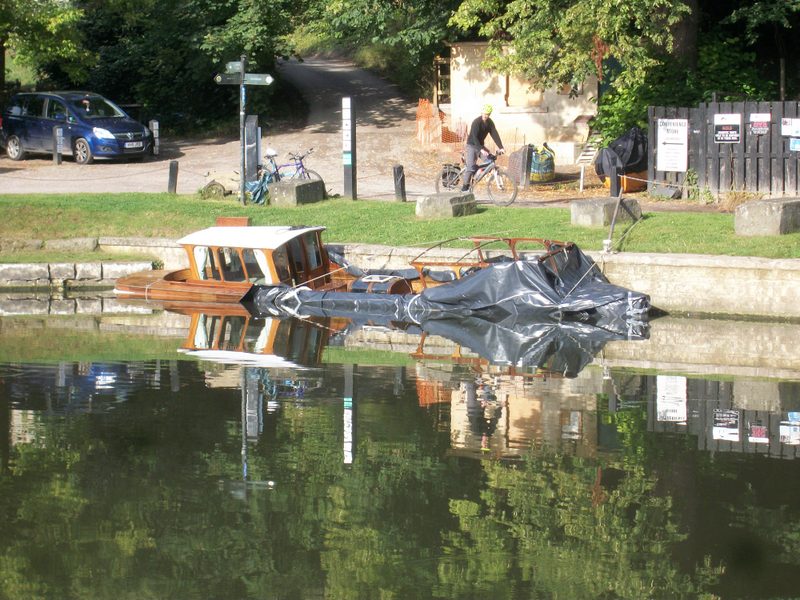
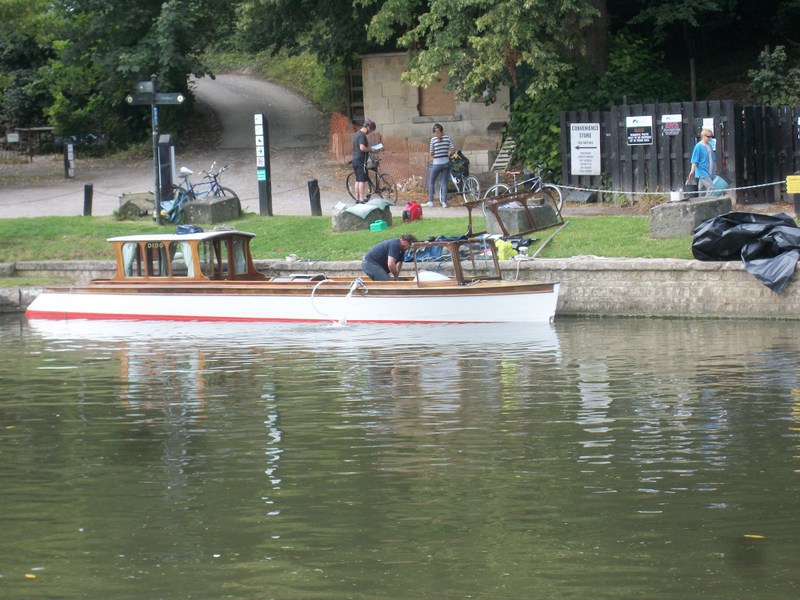
At 8am the gentleman I had seen the night before arrived with some petrol in cans and started up a pump to empty it and he refloated it after a couple of hours pumping, he was not at all bothered, and when he had dried his engine and seats out, he started up the old ford engine and set off down the canal towards Bath.
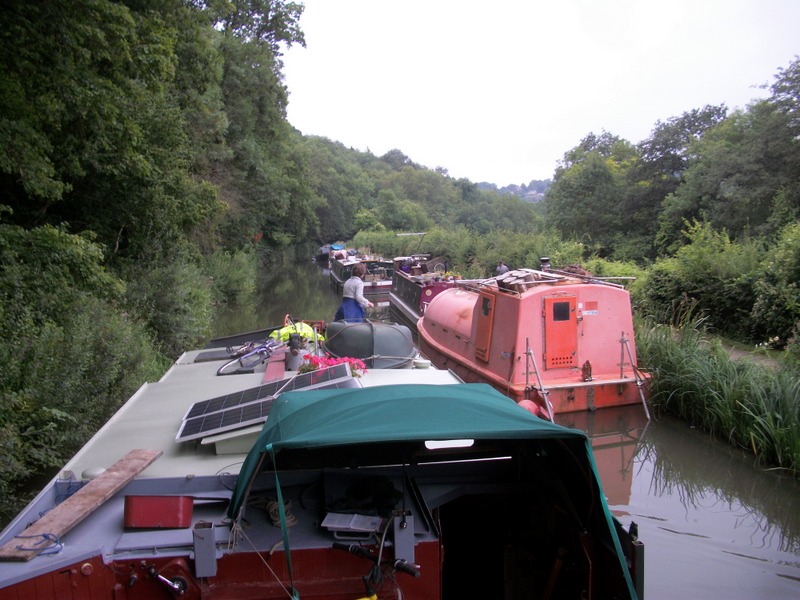
Next day we continued our steady progress and went through the Avoncliffe woods, squeezing past lots of interestng “liveaboard” boats.
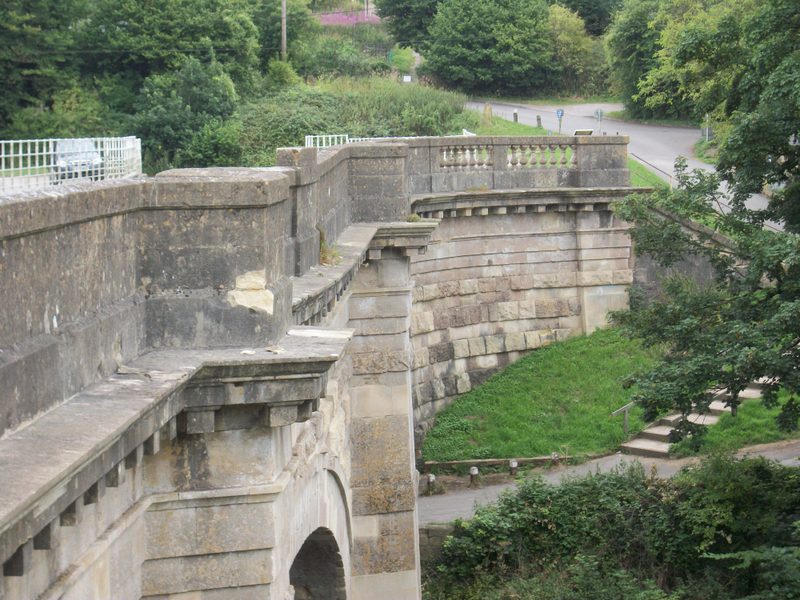
Then over the next aqueduct ( the one with the obvious and worrying sag due to having been built with Bath stone) and we finally found a mooring at Bradford on Avon for the night.


31st May 2016
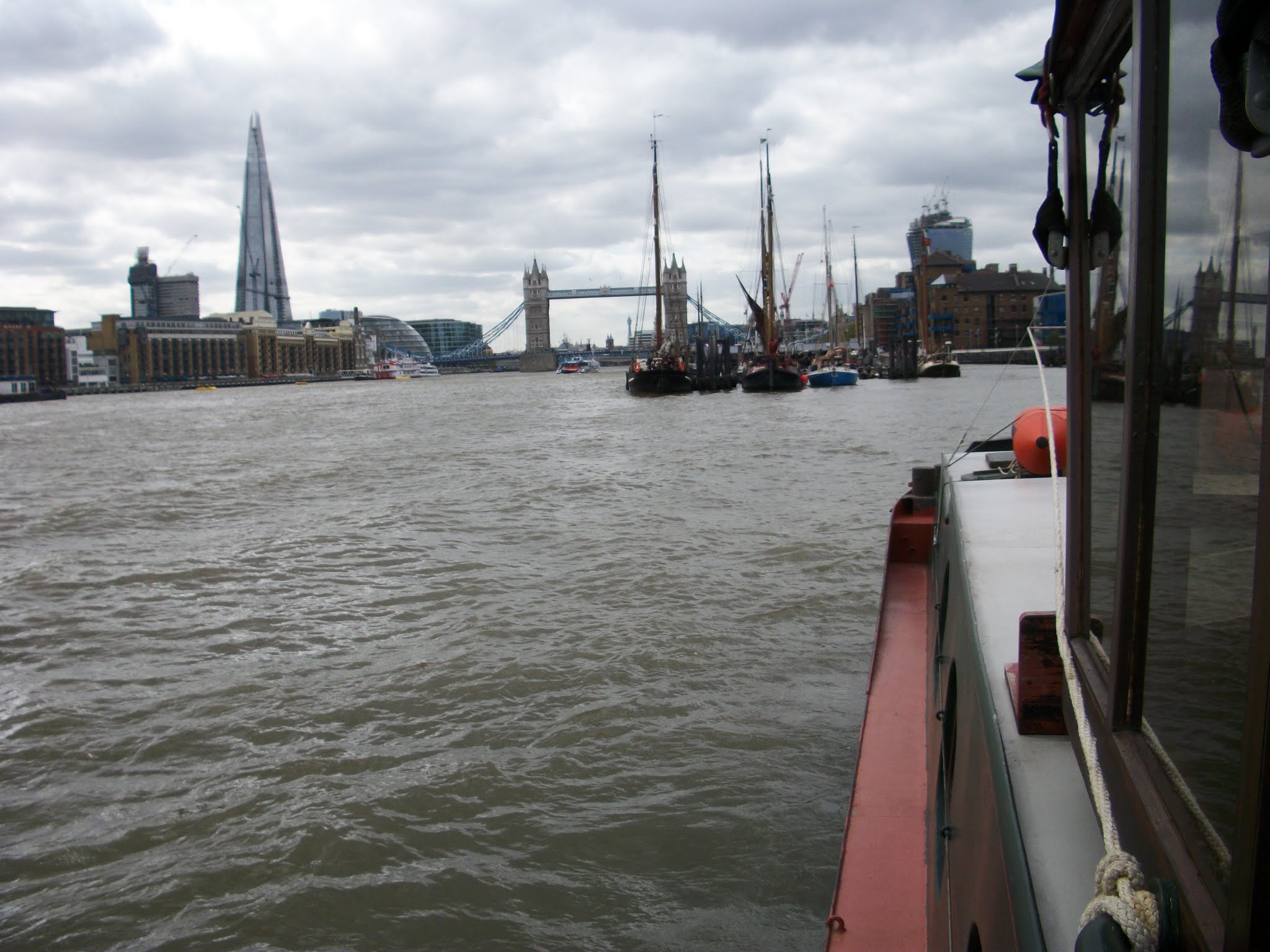
CCMJ arrived to sail into central London

Google Drive Clearout




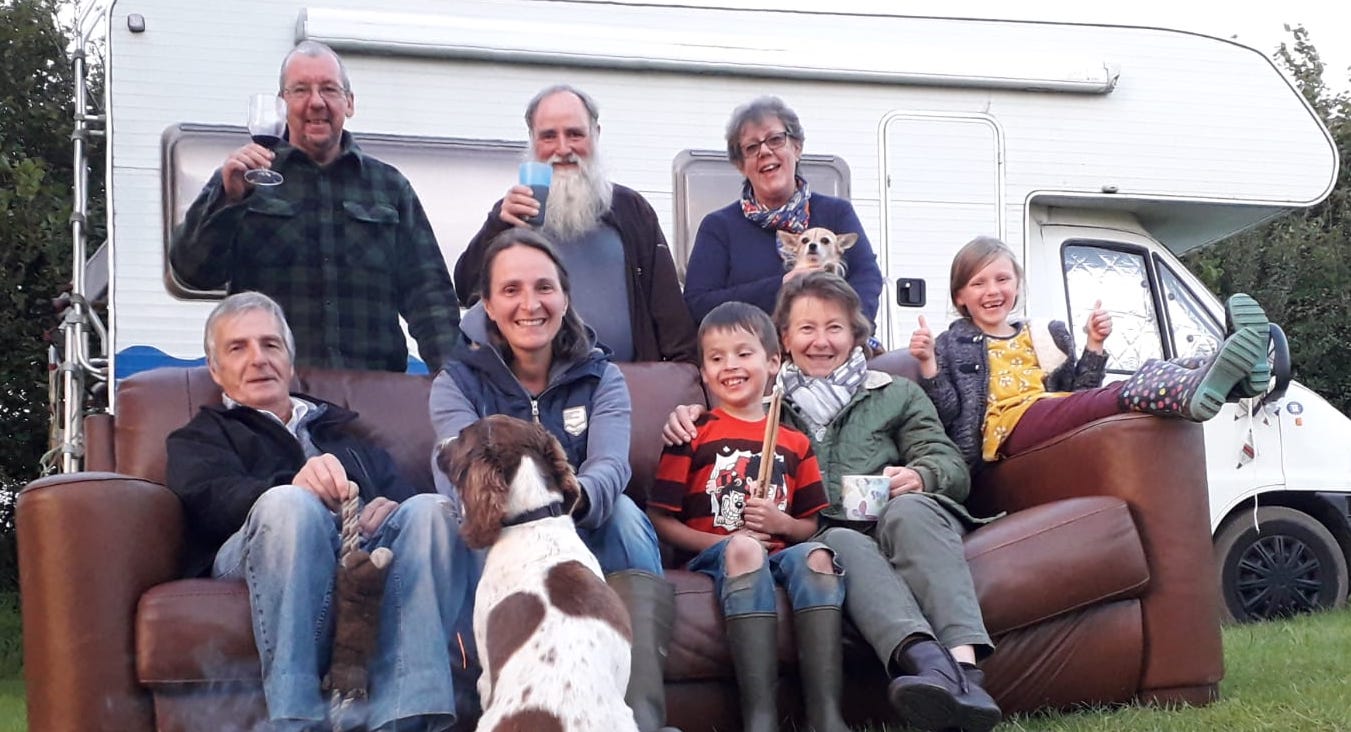
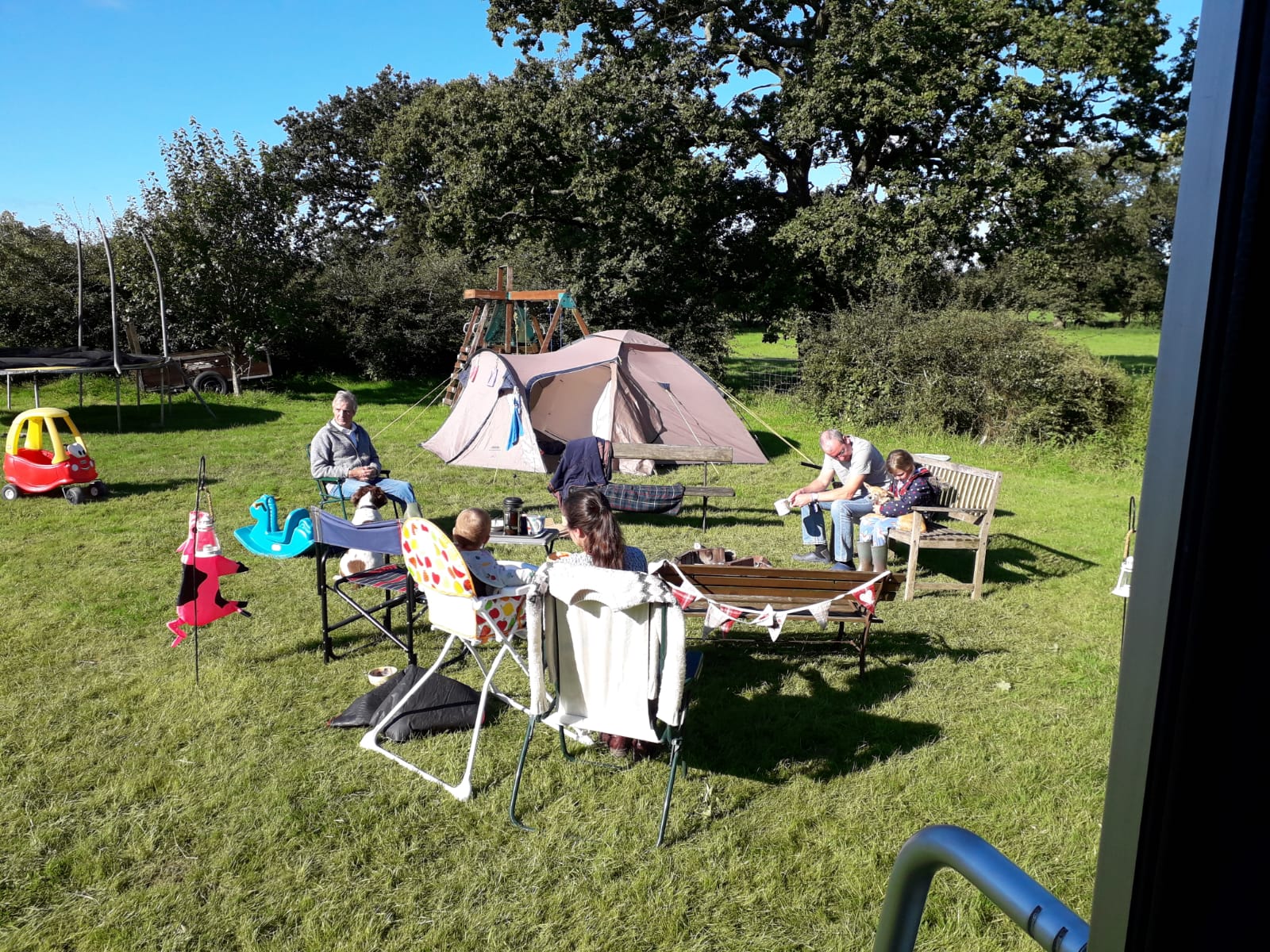
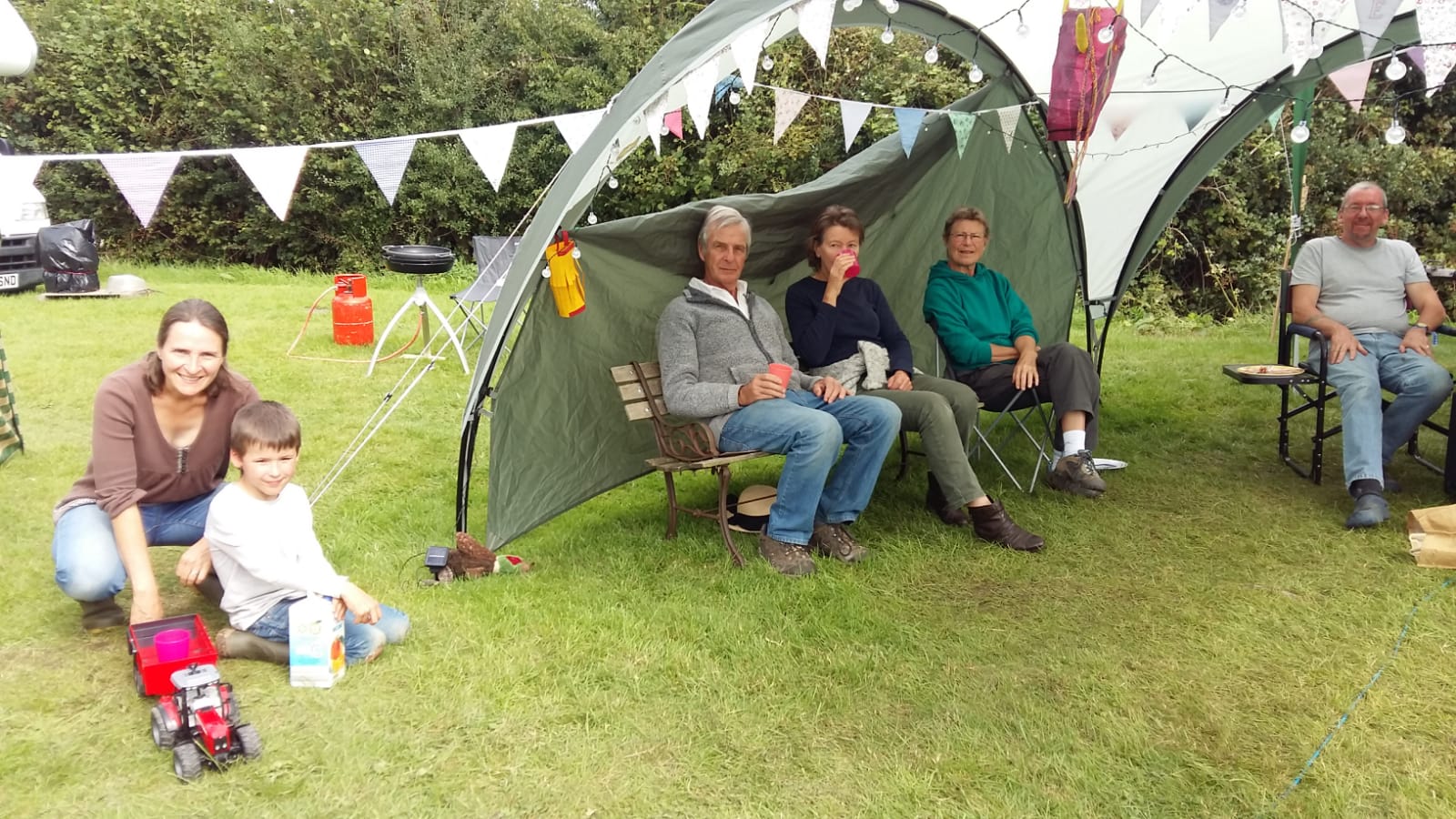
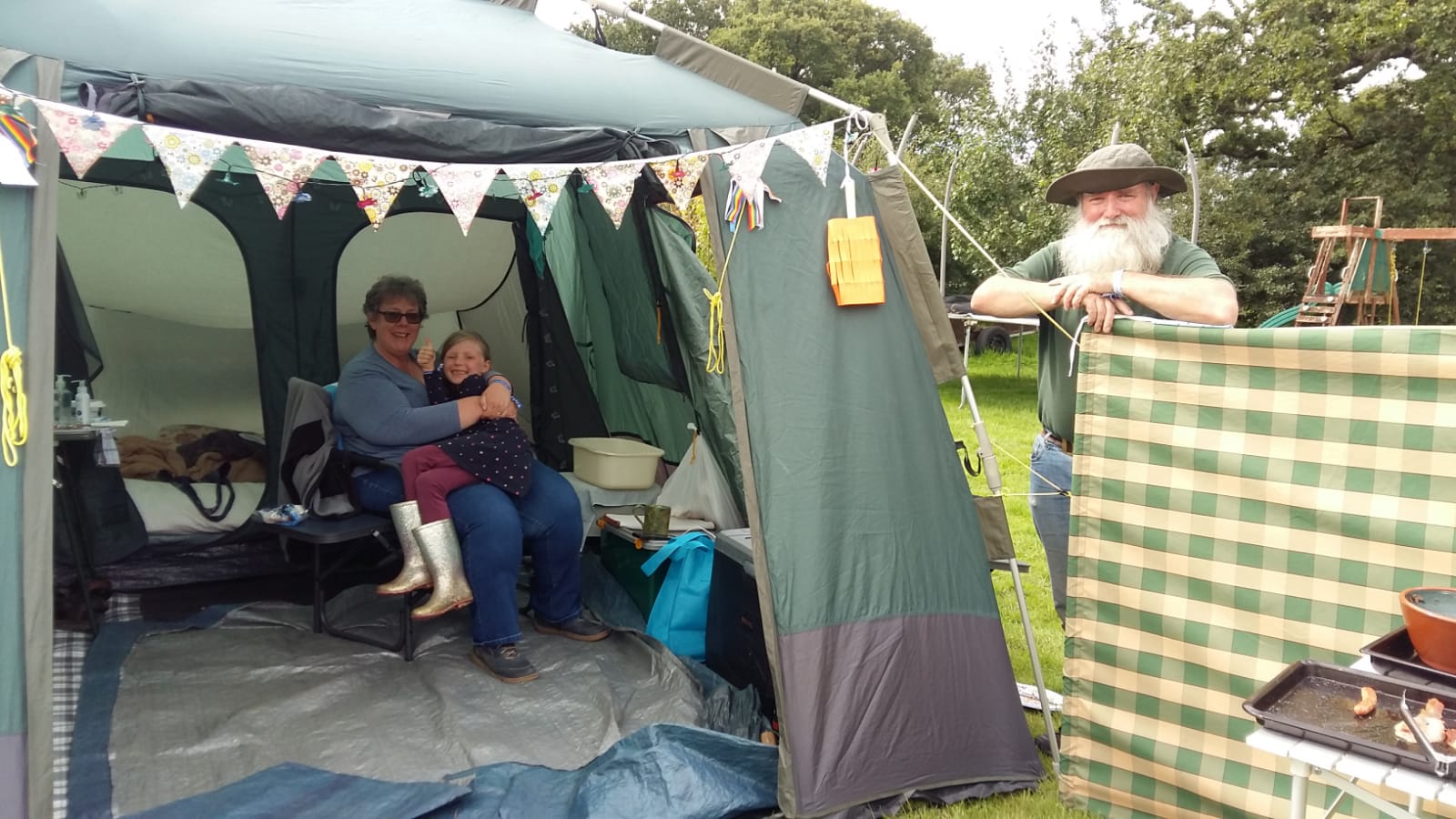
Towersey 2020

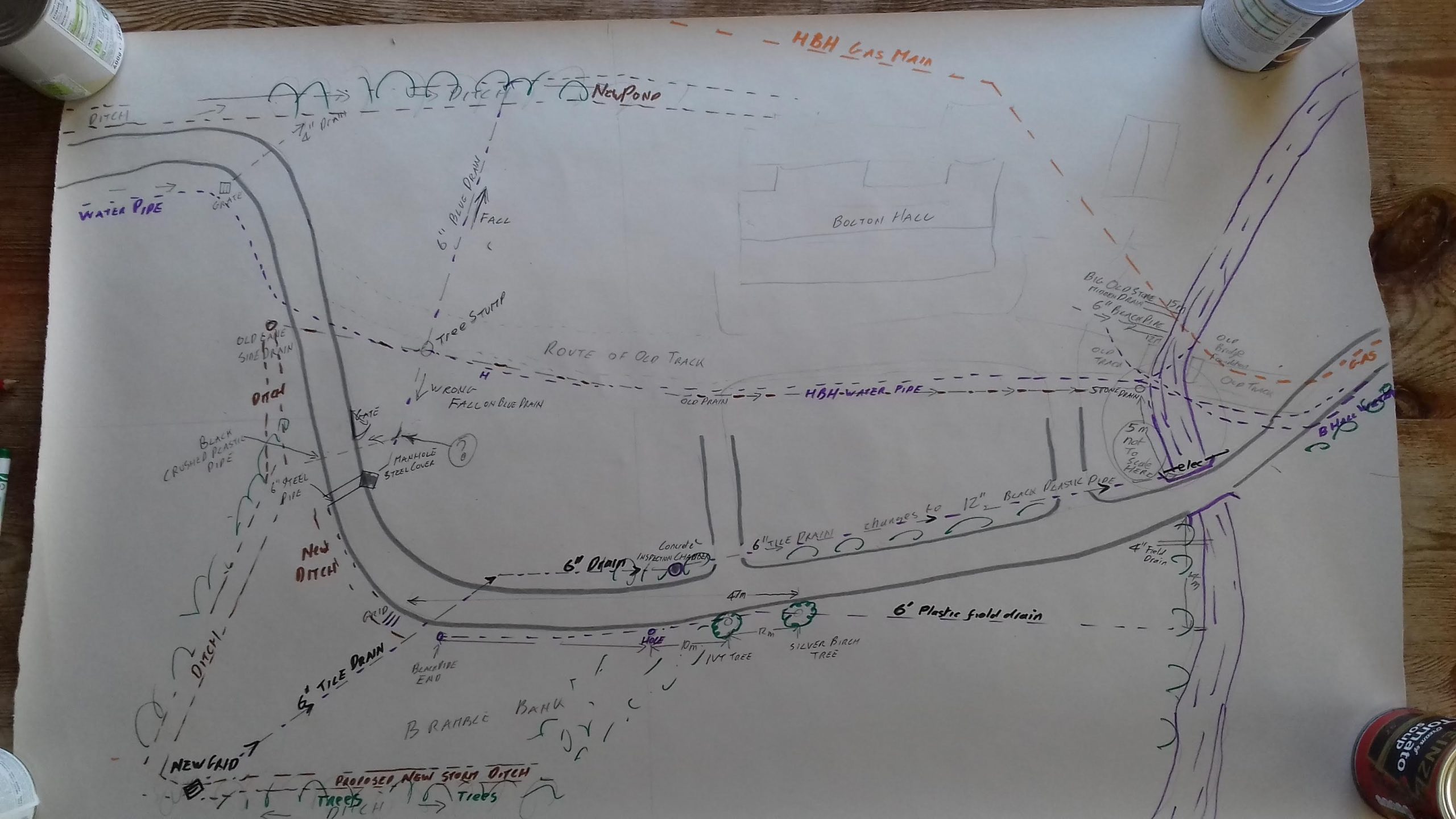
Lane Maintenance
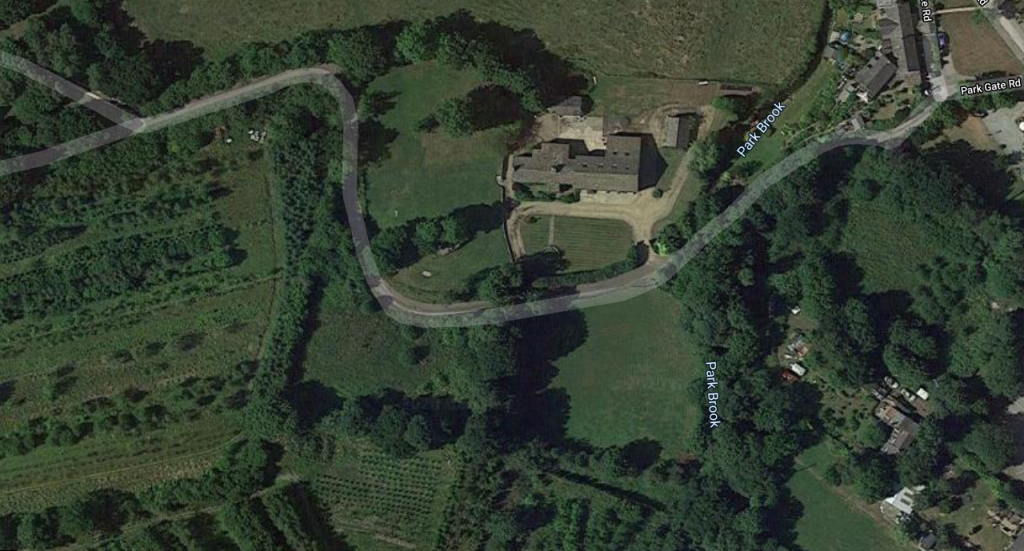
- Lane flooding videos taken by caz mid Feb 2020
- Boxing Day 2015
- Lane Flooding Videos August 2012 ( after new ditch made around top bend) On Vimeo
- 9th February 2010 ( before new ditch was dug )
Web Album April 2020